Sacred Time in a Burnout World
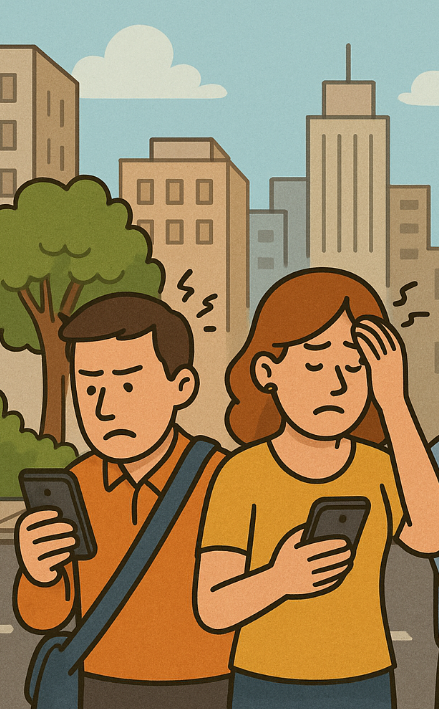
Burnout has become so common that many Christians barely question it anymore.
Exhaustion is worn like a badge of honor. Overfull calendars are seen as faithfulness. Rest feels optional—something we’ll get to once the work is finished. Even in the church, we often assume that constant busyness is a sign of spiritual commitment.
But Scripture tells a very different story.
In a world that never stops demanding more, the Bible offers a radical alternative: sacred time—time ordered by God, not driven by pressure.
Burnout Is Not a Badge of Faithfulness
The modern world runs on urgency. Emails never stop. Notifications follow us everywhere. Productivity culture teaches us that our worth is measured by output.
That mindset quietly slips into our spiritual lives.
We rush through prayer. Skim Scripture. Stack church commitments on top of already exhausted schedules. And when we feel depleted, we blame ourselves for not being disciplined enough.
But God never designed human beings to live this way.
“It is in vain that you rise up early and go late to rest, eating the bread of anxious toil; for he gives to his beloved sleep.” (Psalm 127:2)
Burnout is not a sign of obedience. It is often a warning light.
God Built Rest Into the Structure of Time
From the very beginning, God structured creation around rhythm, not relentless activity.
“And on the seventh day God finished his work that he had done, and he rested on the seventh day from all his work.” (Genesis 2:2)
God did not rest because He was tired. He rested to establish a pattern—a sacred rhythm for His people to follow.
Later, He commands Israel to keep the Sabbath holy, not as a burden, but as a gift:
“Remember the Sabbath day, to keep it holy.” (Exodus 20:8)
Sabbath was not about inactivity. It was about trust—trust that the world would keep turning even when God’s people stopped working.
Jesus Modeled Sacred Time, Not Constant Hustle
If anyone had reason to rush, it was Jesus.
Crowds pressed in. Needs were endless. Healing opportunities never stopped. And yet, Jesus consistently chose withdrawal over urgency.
“But he would withdraw to desolate places and pray.” (Luke 5:16)
Jesus was never driven by panic. He was guided by obedience and communion with the Father.
When His disciples were overwhelmed, His response was not “try harder,” but:
“Come away by yourselves to a desolate place and rest a while.” (Mark 6:31)
Rest was not a reward for finishing the work. It was part of faithfulness itself.
Sacred Time Reorders What We Value
Burnout thrives when time is treated as something to conquer. Sacred time reframes time as something to receive.
The Bible repeatedly reminds us that our lives are not sustained by effort alone:
“Man shall not live by bread alone, but by every word that comes from the mouth of God.” (Matthew 4:4)
Sacred time slows us down enough to remember who we are—and who we are not.
We are not saviors.
We are not indispensable.
We are not defined by productivity.
“Be still, and know that I am God.” (Psalm 46:10)
Stillness is not wasted time. It is time that recalibrates our hearts toward truth.
Living Differently in a Burnout Culture
Practicing sacred time in a burnout world will feel countercultural—and sometimes uncomfortable.
It may mean:
- Saying no to constant availability
- Resisting guilt when resting
- Choosing presence over performance
- Trusting God with unfinished work
The writer of Hebrews reminds us that rest is ultimately an act of faith:
“So then, there remains a Sabbath rest for the people of God.” (Hebrews 4:9)
Sacred time is not laziness. It is a declaration that God—not our effort—is the source of life, provision, and meaning.
An Invitation, Not Another Obligation
Sacred time is not another item on a spiritual checklist. It is an invitation to live differently in a world addicted to exhaustion.
In a culture that burns people out, Scripture calls us back to holy rhythm, intentional rest, and trust-filled presence.
The question is not whether you can afford to slow down.
The deeper question is whether you can afford not to.