Who Is My Neighbor? Exploring the Biblical Call to Love All
When asking, “Who is my neighbor?” we tap into one of the most challenging and profound questions in the Bible. This inquiry calls each believer to rethink boundaries and extend compassion to everyone around them. The scriptures provide numerous insights into how we define our neighbor and the practical implications of loving them.
Biblical Foundations of Neighborly Love
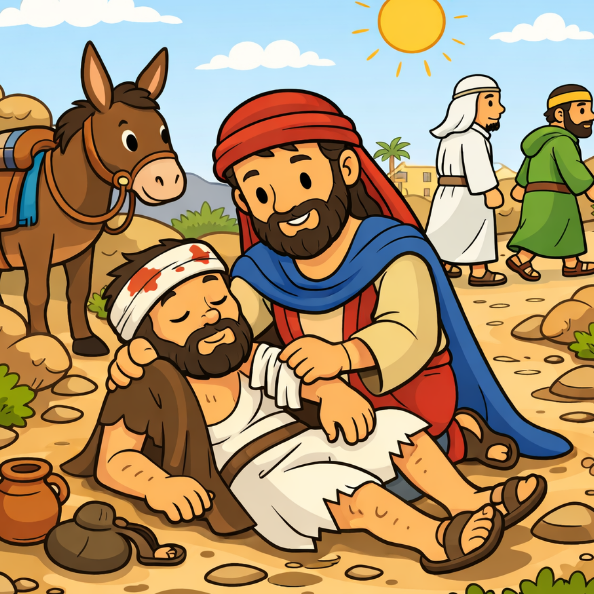
The question “Who is my neighbor?” finds its most well-known answer in the Parable of the Good Samaritan (Luke 10:25-37). In this parable, Jesus responds to a legal expert by illustrating that our neighbor is anyone in need, regardless of race, religion, or social status. The Samaritan’s compassionate actions—tending to a stranger’s wounds, providing safe shelter, and ensuring further care—bridge cultural and historical divides, challenging his audience to expand their scope of love and mercy.
Jesus’ teachings not only redefine neighborly love but also highlight that compassion must be practical. It is not enough to feel pity; one must act. The Samaritan’s work compels us to act with generosity and empathy toward everyone, effectively dissolving traditional boundaries and prejudices.
The Old Testament Perspective
Long before the New Testament, the Old Testament laid a foundation for a community built on care for one another. In Leviticus 19:18, the command to “love your neighbor as yourself” is given, emphasizing equality and the sanctity of every human life. This timeless command underlines the principle that loving one’s neighbor is as central to the faith as loving God.
This directive is not only an ethical mandate but also a reflection of God’s own character—a God who is compassionate and merciful. By extending love and kindness to our neighbors, we mirror the divine nature described in the scriptures.
Practical Applications of Loving Your Neighbor
Understanding who our neighbor is can transform how we interact with the world. Here are some practical ways to put this biblical calling into action:
- Extend Compassion: Follow the example of the Good Samaritan by looking out for those who are suffering—even strangers in unfamiliar circumstances.
- Break Down Barriers: Challenge your own prejudices by engaging with people from different walks of life. Consider community service or interfaith activities as practical ways to show love.
- Advocate for Justice: Loving your neighbor means standing up for those who may be marginalized. Biblical teachings encourage believers to seek justice and promote peace in the community.
- Practice Forgiveness and Mercy: In daily interactions, strive to mirror the forgiving nature of Jesus. Sometimes the simplest acts of kindness can have rippling effects across a community.
A Continual Call to Reflect and Act
The question “Who is my neighbor?” is not meant to have a static answer. Instead, it is a living challenge to continually seek ways to extend grace and love far beyond our familiar circles. For biblical scholars, pastors, and everyday believers alike, this message remains as relevant today as it was in ancient times.
By integrating these scriptural insights into our daily lives, we honor the legacy of Jesus’ command to love unconditionally. The call to see every person as our neighbor propels us to create communities marked by empathy, justice, and hope.
Conclusion
The Bible’s call to identify and care for our neighbors transcends geographic and cultural limits. Grounded in the teachings of both the Old and New Testaments, actions of kindness and compassion serve as a tangible reflection of our faith. In embracing this calling, we not only follow the Good Samaritan’s example but also help build a world that exemplifies the love of Christ—one neighbor at a time.